
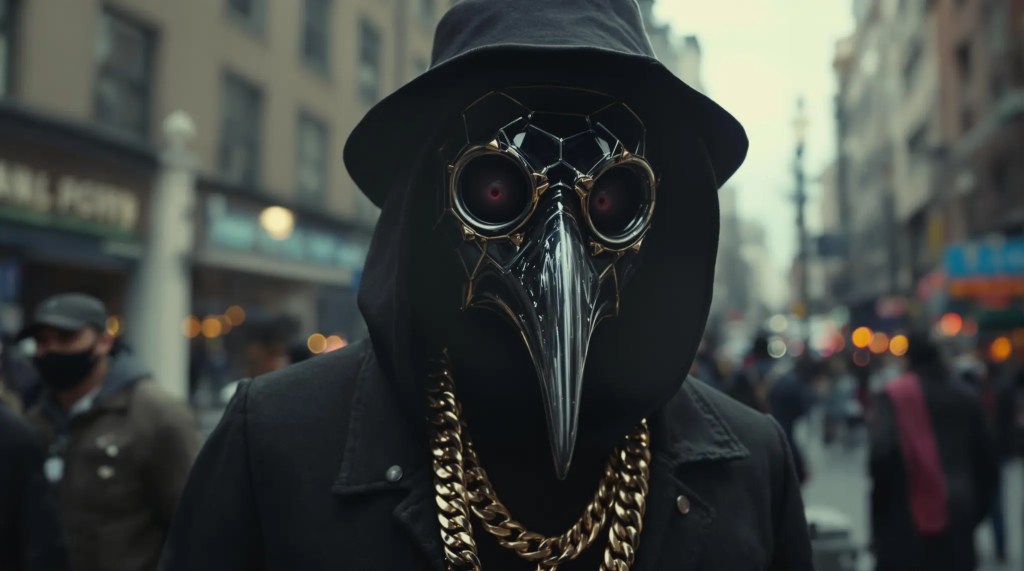
Don’t be fooled by AI
A 2024 April Fool’s Social Media Post
AI is growing faster than the snake in your uncle’s Nokia.
In the visual realm, we’ve seen tools like Midjourney, Stable Diffusion and Dall-e have come a long way.
Whereas previously you might ask for a “valiant swordsman” only for the AI to render pictures of seven-fingered warriors awkwardly stabbing themselves with three-bladed swords, the latest iterations of these art engines are surprisingly capable, churning out stunningly realistic artwork that’s become very hard to distinguish from actual photography or digital art – some fooling even the keenest eyes.

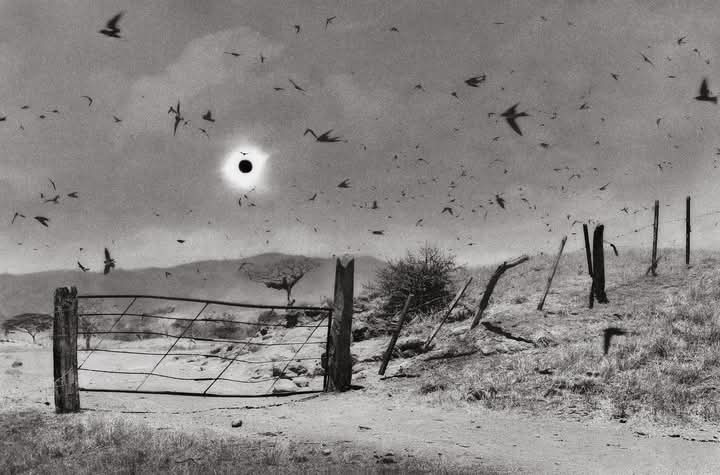
In one recent study, researchers found that AI generated faces actual look more real than legitimate photographs of real faces. To blur the boundaries further, the latest mobile phone camera’s have various AI enhancements built into their firmware to begin with.
Similarly, in the world of large language models, like ChatGPT, Claude and LlaMa, the tech has improved so fast that it raises profound questions, like whether an author can train a large language model on their own work so well that it can then write entire books on their behalf, a la Roald Dahl’s The Great Automatic Grammatizator.
While you might look for telltale words like ‘tapestry’, or ‘delve’ to spot AI-generated text, it ultimately comes down to a vibe check. Nowadays days, you have to pass the vibe check, and the only way to do that is to let your unique human creativity shine through in your writing. Now that AI has made eloquent formal writing commonplace, authentically vibrant, accessible, conversational prose with a distinctive human voice is the only truly valuable text.
Many writers now incorporate AI into their workflow, not as a crutch, but as a tool to hone messages and sharpen narratives. The result seems to be a net improvement in writing quality across the board, though the human touch remains essential. After all, we generally prefer art and stories that come from other humans – there’s a deep-seated desire for connection and shared experience that machines still struggle to fulfil. But for how long?
Then there are the scam “authors”, self-publishing AI-generated books on Amazon which they themselves haven’t even read, but that’s another story!
In the art world, provenance has always been a crucial factor in determining an artwork’s value, authenticity, and historical significance. Provenance refers to the documented history of an artwork’s ownership, from its creation to the present day. This information helps establish the piece’s legitimacy, cultural context, and market value.
AI audio, and in particular, voice cloning tech has also improved remarkably, to the point where it is very difficult to distinguish from the real deal, giving rise to fears about new genres of crimes like fake kidnappings, where scammers send a cry for help or a ransom demand, using the stolen voice of a loved one.
However, as AI continues to evolve, it’s also inevitable that machines will increasingly enchant us with their creativity.
But, even though we have cars, we still run in races. We still play chess even though Deep Blue beat Kasparov. We still like to meet for coffee and chat, even though there’s WhatsApp. No matter how amazing AI gets, even if it is better than us in some respects, we’ll continue to make art, play music and tell stories the old-fashioned way, if only because they bring us joy.
In both visual and textual AI, if there’s no harm done, perhaps we should separate the message from the messenger and art from the artist. If you like a picture or a poem, does it matter if it was drawn or written by a machine, especially if the machine was prompted by the creative vision of the human using the tool? The answer may not be clear-cut, but one thing is certain: as AI gets more sophisticated, these questions will only become more pressing.
This post was written without any help from non-human intelligences. Or was it? 😉
A: Image 2 on the right is the real one.
 Mike Whyle - Writer & Creative